Introduction
In the realm of medical care, airway monitoring and ventilation stand as keystones for making certain favorable patient results. Whether in emergency situation circumstances or routine clinical procedures, the capacity to keep a clear respiratory tract and supply appropriate air flow is critical. This post looks into the intricacies of respiratory tract monitoring and ventilation, checking out different approaches, training programs offered, and their extensive influence on client care. With topics varying from fundamental ventilator courses to specialized training for registered nurses, we'll discover the significance of experienced specialists in this essential location of medicine.
Airway Monitoring and Ventilation: The Key to Effective Person Outcomes
Airway management refers to the techniques made use of to ensure that a client's respiratory tract stays open and unblocked. Appropriate management is vital for efficient ventilation-- whereby https://privatebin.net/?8b7aa173b14e849f#qhyjvDiYetYfwdBgogXYqVoDx992H3YGSefoNUq7LrN oxygen is supplied to the lungs while co2 is gotten rid of. This dynamic duo plays a critical role in individual survival, particularly in crucial treatment settings.
Effective respiratory tract management includes numerous actions:

Without a properly managed air passage, also one of the most advanced clinical advanced ventilator pressure support training interventions can fall short. Hence, mastering air passage monitoring and air flow is extremely important for health care providers.
Understanding Ventilation Support
Ventilator assistance is a lifesaving treatment made use of when patients can not breathe independently or call for support because of numerous medical problems such as breathing failure or extreme pneumonia.
What Is Ventilator Support?
Ventilator support includes mechanically assisting or replacing spontaneous breathing via gadgets designed to deliver regulated breaths at predefined stress and volumes.
Types of Ventilators
- Positive Pressure Ventilators: These push air into the lungs. Negative Stress Ventilators: These produce a vacuum around the breast wall, helping with inhalation.
The Function of Ventilator Training
Given its intricacies, understanding how to operate ventilators successfully calls for extensive training:
- Basic Ventilator Course: Perfect for novices, focusing on foundational concepts. Ventilation Training Courses: More advanced programs that cover in-depth knowledge concerning different sorts of ventilators. Ventilator Training for Nurses: Tailored courses addressing certain nursing responsibilities worrying ventilator use.
Essential Abilities Obtained Via Training
Practitioners get critical abilities such as establishing suitable tidal quantities, changing pressure assistance levels, and checking client feedbacks during mechanical ventilation.
Advanced Techniques in Airway Management
Intubation Techniques
Intubation is typically required when people are unable to preserve their very own respiratory tracts because of sedation or intense disease.
Rapid Sequence Intubation (RSI)
This strategy incorporates sedative representatives with paralytic medicines to promote fast intubation with very little risk of aspiration.
Supraglottic Air passage Tools (SGA)
These gadgets are functional tools that can be made use of when intubation isn't immediately possible or necessary:
- Examples include: Laryngeal Mask Airways (LMAs) and Combitubes.
Tracheostomy Management
When extended mechanical ventilation is needed, tracheostomy might be suggested:
Tracheostomy and Ventilator Training
Healthcare professionals have to understand both tracheostomy treatment and how it integrates with ventilatory assistance systems.
Clinical Applications of Airway Administration Techniques
Emergency Situations
In emergencies like heart attack or severe respiratory distress, fast air passage assessment can save lives:
Assessing Respiratory tract Patency: Checking if the respiratory tract is clear. Implementing Fundamental Life Assistance (BLS): Ensuring adequate circulation while taking care of airways.Postoperative Care
Patients recuperating from anesthesia typically require cautious tracking for respiratory tract patency because of prospective issues occurring from sedation effects.
The Relevance of Continual Tracking in Respiratory Tract Management
Monitoring criteria such as oxygen saturation levels (SpO2) and end-tidal carbon dioxide (ETCO2) are important elements in managing an individual's problem effectively:
|Criterion|Normal Array|Implication|| -----------------------|---------------------|------------------------------|| SpO2|95% - 100%|Sufficient oxygenation|| ETCO2|35 - 45 mmHg|Sufficient air flow|
Regular monitoring helps identify early signs of respiratory system failing or poor ventilation prior to they rise into serious situations.
FAQs Regarding Airway Monitoring and Ventilation
1. What fundamental abilities are needed for reliable airway management?
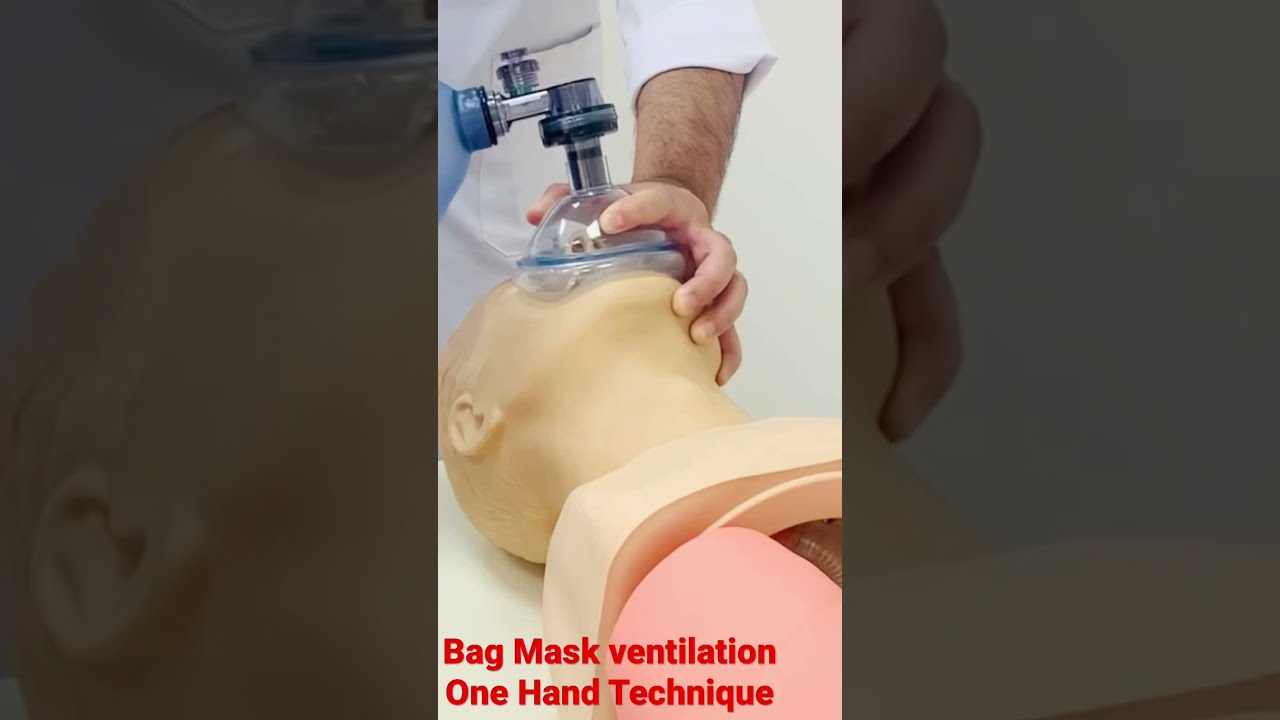
Basic skills include analyzing airway patency, doing bag-mask air flow, recognizing indicators of blockage, and using complement tools like oropharyngeal airways.
2. Just how does one pick in between different sorts of ventilators?
The choice depends on variables such as client condition severity, needed settings of ventilation (invasive vs non-invasive), and medical professional experience with details ventilator models.
3. What training alternatives are offered for health care professionals?
Healthcare providers have accessibility to numerous training programs consisting of standard ventilator programs, advanced professional workshops focused on extended mechanical ventilation approaches, and customized programs like NDIS ventilation training programs tailored for specific requirements based upon details populations.
4. Can anyone execute intubation?
No; intubation requires specialized training and ought to just be executed by certified medical care experts with proper abilities within their scope of practice.

5. What prevail problems connected to mechanical ventilation?
Complications may consist of barotrauma (lung injury due to too much stress), ventilator-associated pneumonia (VAP), pneumothorax (air leaks right into pleural space), to name a few needing alert monitoring throughout mechanical support.
6. Why is continuous education and learning important in this field?
Continuous education guarantees that doctor remain upgraded on finest practices relating to emerging technologies in mechanical ventilation strategies along with developing evidence-based guidelines improving person safety and security end results throughout interventions needing these intricate procedures.
Conclusion
In recap, understanding airway management and ventilation works as an important competency within modern health care technique that dramatically impacts patient results across varied setups-- from emergency departments to running rooms. As we navigate this complex landscape loaded with advancing innovations and approaches-- consisting of specific programs such as the NDIS ventilation training program-- it becomes increasingly important for professionals in all levels to enhance their data base continuously while sharpening technological skills with structured academic chances offered today!
This large expedition highlights just how necessary it is not just for medical professionals however likewise allied health team included directly or indirectly within intensive care units (ICUs) or severe care settings-- where timely interventions lead directly in the direction of positive results-- for every single patient left under our collective care!